
If you’ve been experiencing pain, stiffness, or a locking or clicking sensation in your fingers, you may be dealing with a condition called trigger finger. This condition, also known as stenosing tenosynovitis, can hinder daily activities and cause discomfort. Luckily, one effective solution for managing symptoms is using a trigger finger splint.
Here’s everything you need to know about trigger finger splints to aid in your recovery and improve your quality of life.
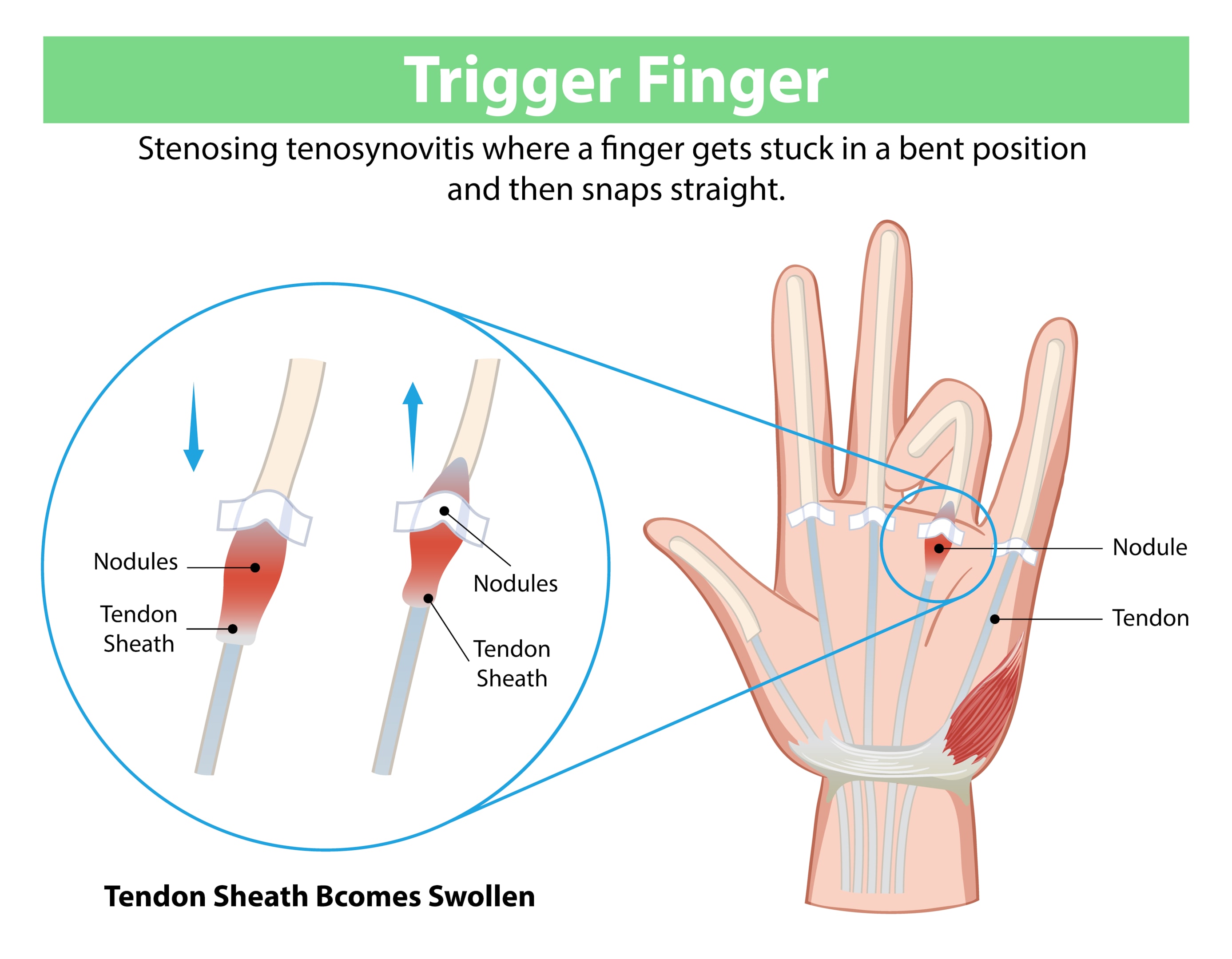
Trigger finger occurs when the tendons in your fingers or thumb become inflamed, making it difficult for the tendon to glide smoothly through its sheath. The exact cause of trigger finger is not always known, but research suggests repetitive gripping and inflammation are common factors. Trigger thumb is a similar condition that affects the thumb in the same way.
This condition can lead to a “locked” finger that catches or pops when moved. Ring fingers are commonly involved, but any finger can be affected. The problem can occur at various joints, including the dip joints, where the tendon movement is restricted.
Trigger finger is primarily caused by inflammation of the tendon sheath, which can result from several factors.
Repeated gripping motions or forceful use of the fingers can lead to irritation and swelling.
To help reduce the risk of developing trigger finger, avoiding activities that involve repetitive gripping or forceful use of the fingers is recommended.
Certain medical conditions, such as rheumatoid arthritis and diabetes, increase the risk of developing trigger finger.
Rheumatoid arthritis is an autoimmune disorder that causes chronic inflammation in the joints, including those in the hands and fingers.
This persistent inflammation can lead to swelling and thickening of the tendon sheath, which restricts the smooth movement of tendons and contributes to the characteristic finger locking and pain seen in trigger finger.
People with rheumatoid arthritis often experience joint stiffness and tenderness, making them more susceptible to tendon-related issues like trigger finger.
Managing rheumatoid arthritis effectively is important not only for overall joint health but also for reducing the risk and severity of trigger finger symptoms.
Additionally, an imbalance between the flexor tendons and their protective sheath can contribute to the condition, causing the finger to lock in a bent position.
Occupational activities that involve repetitive hand movements or gripping can also exacerbate the symptoms of trigger finger.
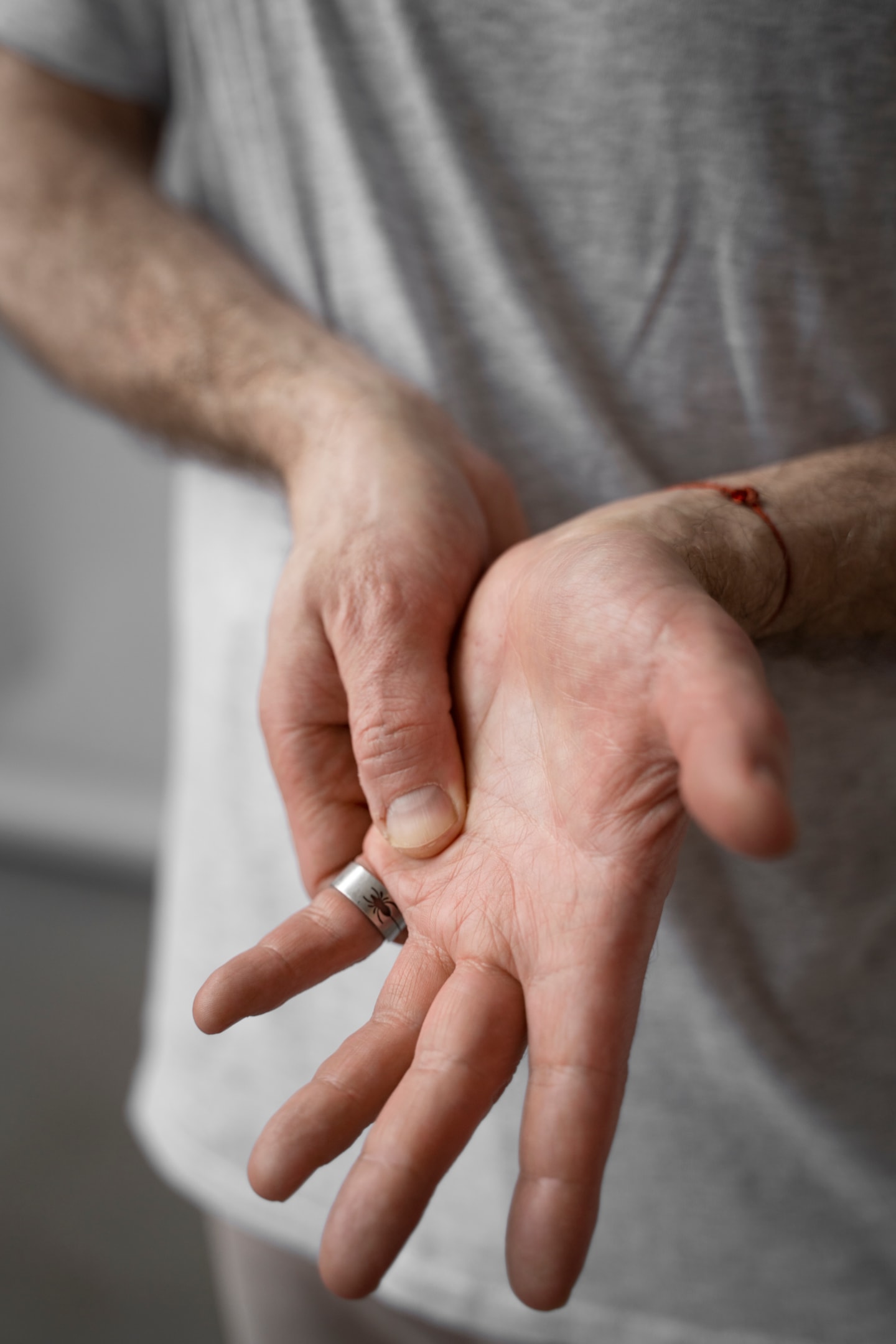
While it might seem minor, trigger finger can worsen over time if left untreated. The condition can progress and lead to more severe symptoms.
The inflammation of the tendon sheath may increase, causing the affected finger to become more frequently locked in a bent position.
This can result in increased pain, swelling, and tenderness, making it difficult to perform daily tasks.
The repetitive catching or snapping of the finger can also lead to further irritation and damage to the tendon, potentially requiring more intensive treatments such as steroid injections or even surgery.
Early intervention is crucial to prevent the condition from worsening and to maintain the function of the affected finger or thumb.
Splints are a popular non-invasive treatment option for trigger finger. They work by immobilising the affected finger and reducing strain on the tendons, allowing the inflammation to subside. A brace is a supportive device designed to treat finger conditions like trigger finger by providing support, reducing symptoms, and preventing the condition from worsening. Splints are used to treat trigger finger by providing support and reducing symptoms.
Benefits of using a trigger finger splint include:
For many patients, splints are a vital component of managing and recovering from trigger finger.
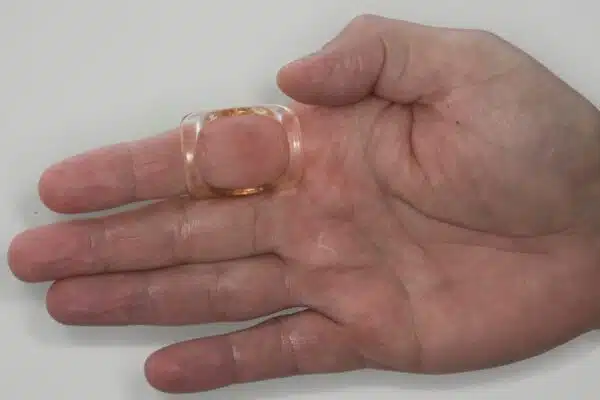
Not all splints are created equal. Selecting the right splint for your trigger finger needs is crucial to ensure comfort and effectiveness.
Common types of splints include:
What to consider when choosing a splint:
Consult with a healthcare professional to determine the most suitable splint for your trigger finger needs.
Finger splints are specially designed orthotic devices that provide essential support and stability to the fingers, making them a valuable tool in the treatment of trigger finger. When trigger finger symptoms such as pain, stiffness, or finger locking occur, using the right finger splint can offer significant pain relief and help promote recovery.
There are several types of finger splints available, each tailored to different needs and levels of severity:
When selecting a finger splint, it’s important to consider comfort, adjustability, and how severe your trigger finger symptoms are. A well-chosen splint can make daily activities more manageable, support the affected finger, and help you regain pain-free movement. Consulting with a healthcare professional can help you find the most suitable splint for your needs, ensuring effective treatment and a smoother recovery.
To get the most out of your splint, it’s important to use it correctly. Improper use can lead to discomfort or delays in healing. Splints are typically worn for several weeks to achieve optimal results.
Here are some tips to follow:
Broken fingers and trigger finger are two different conditions that can both cause significant discomfort and limit hand function, but they require distinct treatment approaches. A broken finger is typically the result of a direct injury and needs immediate medical attention to ensure proper healing. In contrast, trigger finger is characterised by pain, finger locking, and difficulty moving the finger, especially at the middle joint, due to issues with the tendon sheath.
Interestingly, a broken finger can sometimes lead to the development of trigger finger symptoms. After an injury, inflammation or scarring in the tendon sheath may occur, increasing the risk of finger locking and pain. This connection highlights the importance of monitoring your recovery after a finger injury and being alert to any new symptoms of trigger finger.
Treatment for both broken fingers and trigger finger often involves immobilisation to allow healing, pain relief to manage discomfort, and physical therapy to restore movement. In severe cases, surgery may be required—either to repair a broken bone or to release a tight tendon sheath and relieve trigger finger symptoms. If symptoms persist or worsen, it’s essential to consult a doctor or hand therapist, who can develop a personalised treatment plan to promote recovery and prevent further complications.
By understanding how injuries like broken fingers can contribute to trigger finger, you can take proactive steps to prevent trigger finger and seek timely, effective treatment if symptoms arise.
While splints can be highly effective in mild cases and are often used to treat trigger finger by providing support and reducing symptoms, they may not work for everyone or in more severe cases. If your symptoms persist or worsen, it’s crucial to explore alternative treatments. Injections, such as steroid injections, are commonly used to treat trigger finger when splinting is not effective.
Other treatment options include:
Be sure to consult with a healthcare provider to understand your options and determine the best course of action.
Dealing with trigger finger doesn’t mean you have to live with constant discomfort.
Splints can provide relief, support healing, and prevent further damage, making them a valuable tool in managing this condition.
If you’re considering a splint, speak to your GP or orthopaedic specialist to find the best option for you.
With the right approach to treatment, you can restore function to the digits of your hands and get back to doing the things you love pain-free.