Trigger thumb, a condition where your thumb gets stuck in a bent position due to tendon sheath inflammation, can be quite painful and restrictive.
While severe cases may require medical intervention, mild to moderate trigger thumb can often be managed at home with self-care techniques.
Similar to trigger finger, trigger thumb occurs when the flexor tendon in the affected finger (thumb) becomes irritated and inflamed, causing it to catch or lock in a bent position when you attempt to straighten.
This usually results in pain or tenderness in the middle joint or base of the finger, stiffness and a clicking or popping sensation during movement.
If home remedies are ineffective in treating trigger thumb, medical intervention may be necessary. This can include:
Rheumatoid Arthritis and Trigger Thumb:
Individuals with rheumatoid arthritis are at a higher risk for developing trigger thumb, as the condition can be a result of inflammation and damage to the joints and tendons in the hand.
Therefore, it is important for those with rheumatoid arthritis to pay attention to any symptoms of trigger thumb and seek medical treatment if necessary.
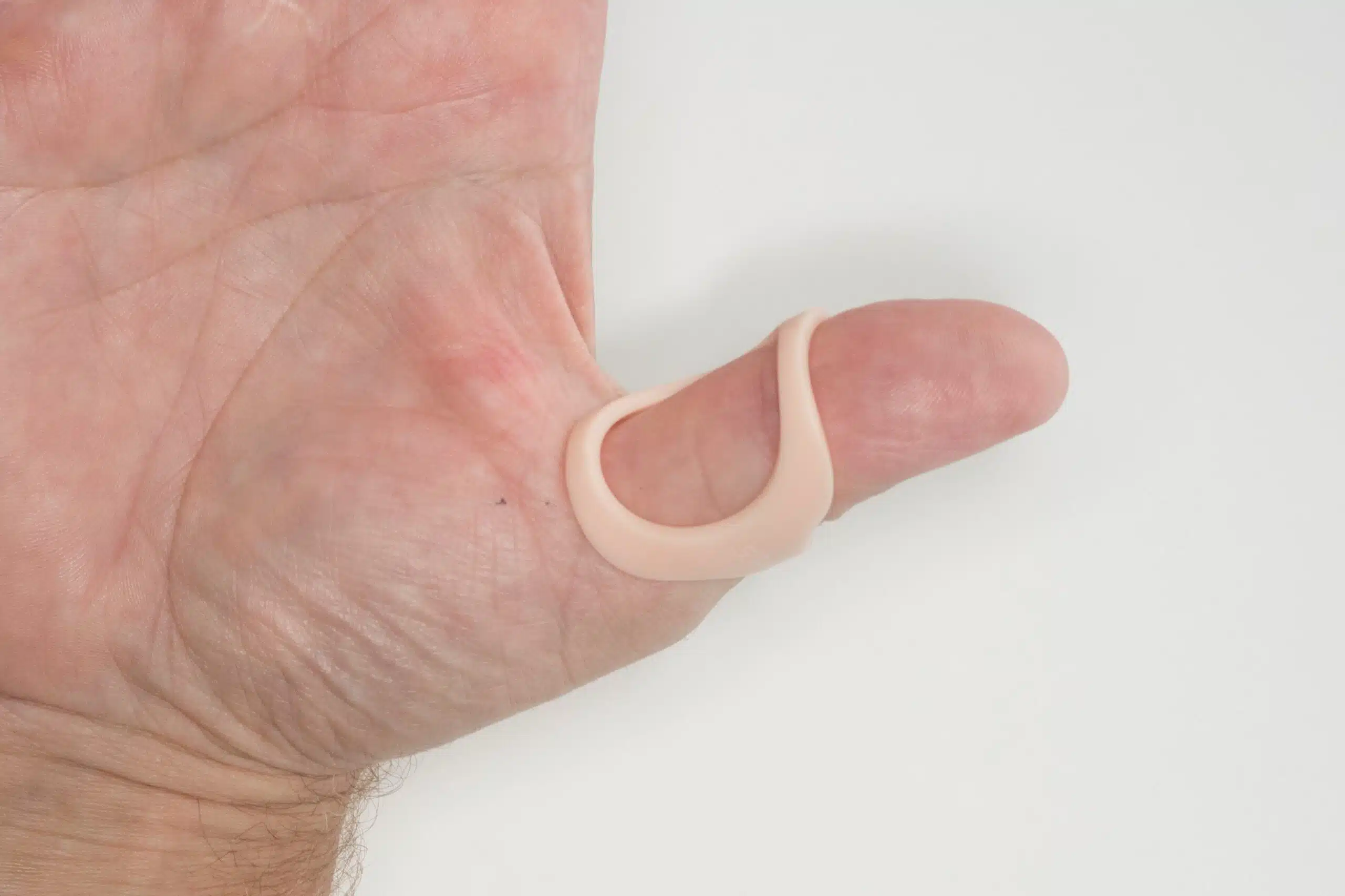
A trigger thumb splint can be a great tool for managing trigger thumb.
It helps manage the affected area by immobilising the thumb, reducing movement that exacerbates inflammation and irritation.
This immobilisation decreases the pain and swelling, prevents further injury, and maintains proper alignment of the thumb’s joints. By providing support and stability, a splint creates a better environment for healing, allowing the inflamed tendon to rest and recover.
A splint acts as a good first-line treatment, particularly in mild to moderate cases that tend to recover in a few weeks, to alleviate symptoms and potentially avoid more invasive procedures such as open surgery or steroid injection.
Rigid Splints: Rigid splints provide maximum immobilisation and are ideal for severe cases where minimal movement is required to allow the tendon to rest and heal.
Semi-Rigid Splints: Offer a balance of support and flexibility, suitable for moderate cases of trigger finger. Semi-rigid splints restrict movement but give some degree of flexibility.
Soft-Splints: Soft splints provide minimal support and are best for mild cases. They allow for greater movement but still provide the needed level of support through a degree of immobilisation.
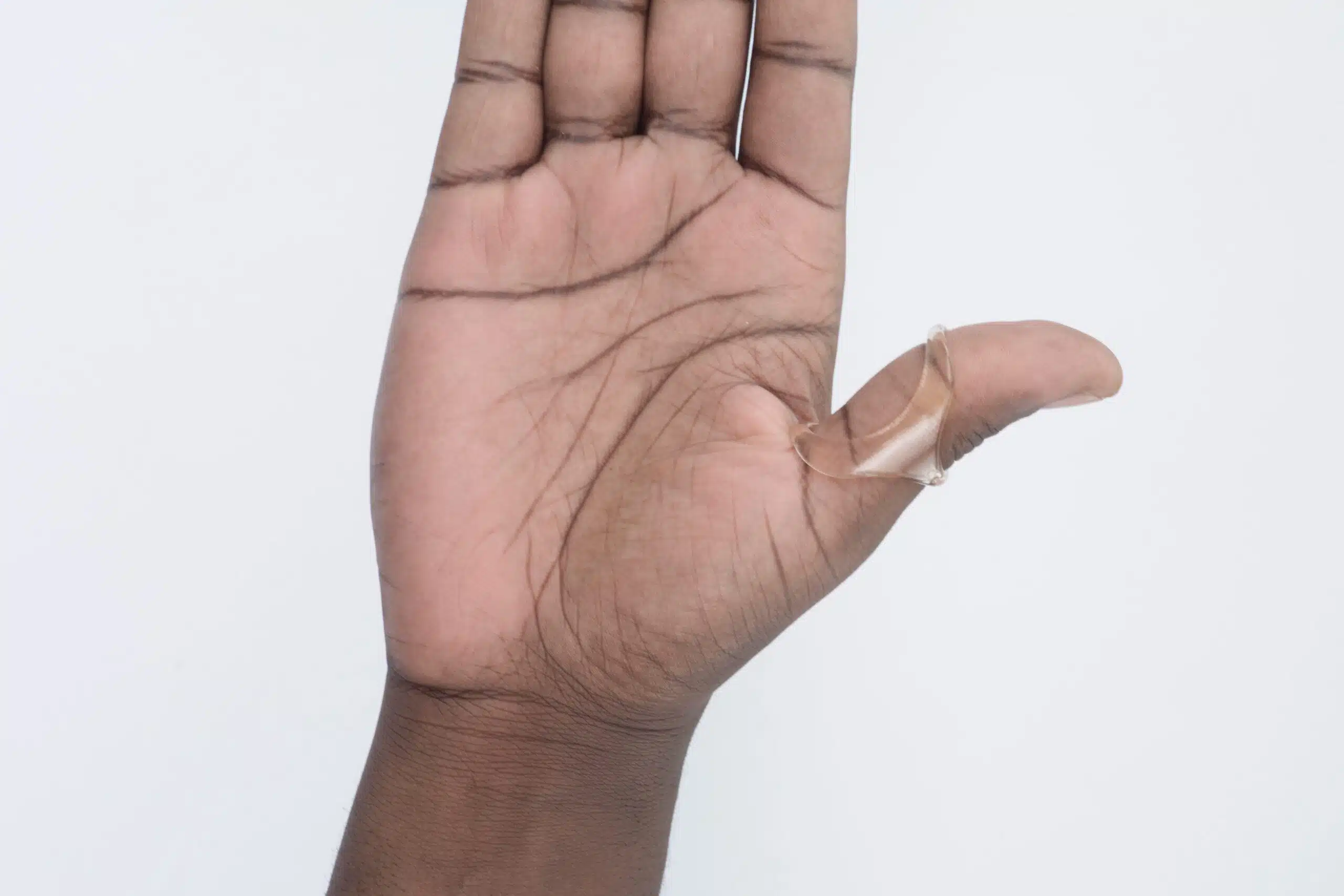
Material and Comfort
Choose a splint made from breathable materials to prevent any skin irritation and to keep your thumb comfortable.
Adjustability
Make sure you select the right size by measuring your thumb and hand accordingly to the relevant sizing guide. Our sizing guide give you a step by step process to sizing up your affected finger or thumb to help you get the most accurate size possible.
Ease of Use
The splint you choose should be easy to put on and remove, especially if you need to take it off frequently for exercise or certain other activities.
Also, make sure to choose a splint that is easy to clean to maintain its hygiene and prolong its life.
Price and Reviews
Depending on the manufacturer, splint vary in price. While it may be important for your individual circumstances to stay within a certain budget, a higher price tag usually means a better quality product.
When deciding on a splint, make sure to read reviews from customers and users to get a better idea of the product.
Rest and Minimise Activity
Minimise activities that involve repetitive thumb movements or gripping to reduce strain, which can worsen the condition. Its important to give the affected joint a break to allow the inflammation to subside.
Applying an ice pack to the affected area can help reduce inflammation and pain.
Ice helps reduce inflammation by constricting blood vessels, which decreases blood flow to the affected area. Also, the cold from the ice numbs the area which temporarily relieves pain and discomfort.
Wrap the ice pack in a cloth and apply it to your thumb for 15-20 minutes, several times a day.
Soaking your thumb in warm water can help relax the tendon and increase blood flow to the area which can promote healing. Do this for about 10-15 minutes, a few times a day.
Thumb stretches: Performing gentle stretching can improve flexibility and reduce stiffness over time. For example, hold your thumb with your other hand and gently stretch it backward and forward.
Finger Lifts: With your hand placed flat on a table, lift each finger straight one at a time, holding each lift for a few seconds. This exercise will help maintain mobility in the thumb and other fingers.
Thumb extensions: Use a rubber band around your thumb and fingers to provide resistance, then slowly open and close your hand. This can help strengthen the muscles and tendons around the thumb.
While selfcare measures, including the use of a thumb splint, can be effective for mild to moderate trigger thumb, its important to know when you may need to seek professional help from a doctor or hand therapist.
Consult a healthcare provider if:
By monitoring your condition and taking these proactive self-care steps, you can effectively manage trigger thumb and maintain the functionality of your hand.